01
Campus updates
Segment by institution, programme and authorised student group.
Implementation note: confirm the authoritative business event, approved template and recipient source before enabling this message at scale.

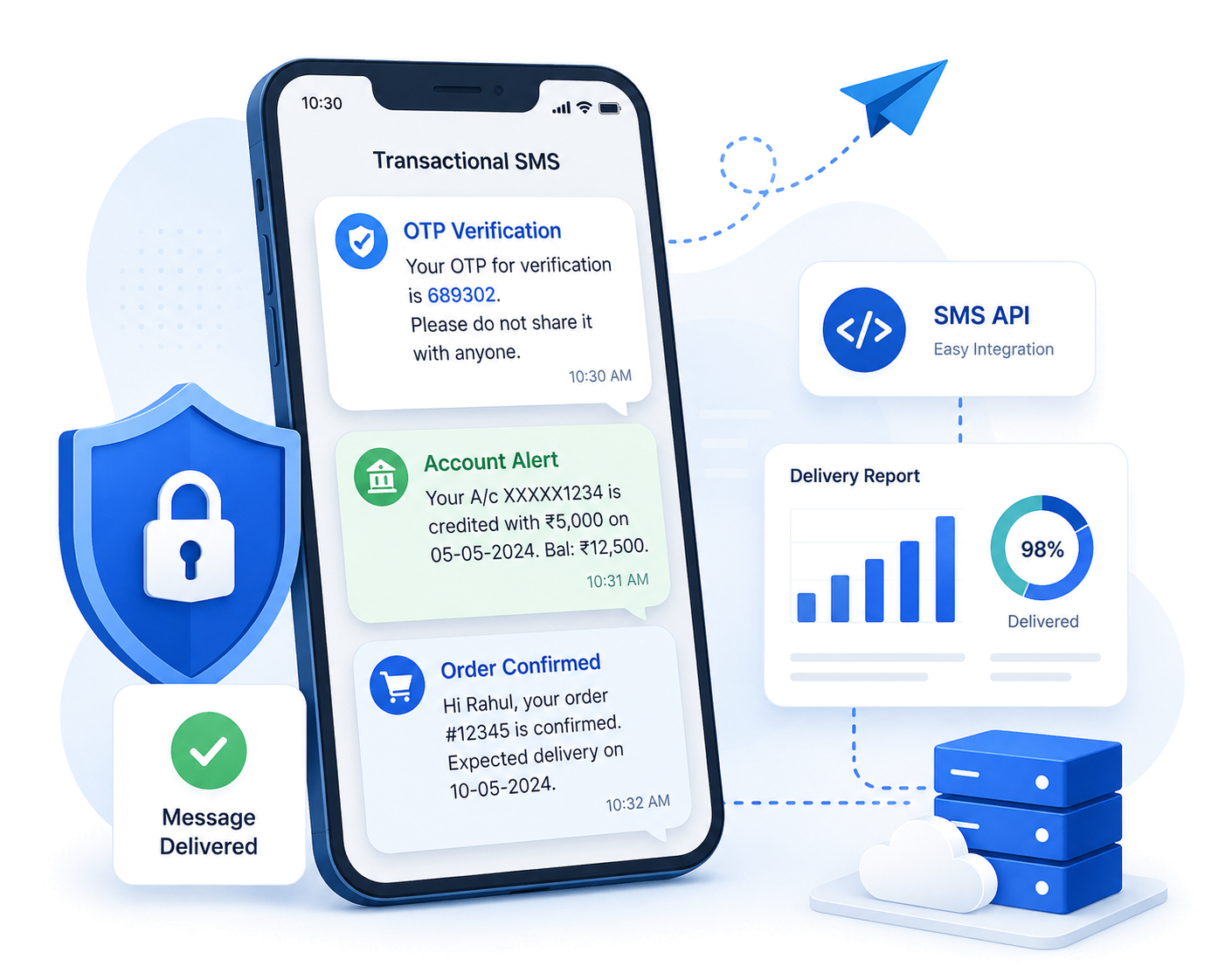
Kalyani has a strong education and healthcare identity along with planned residential and service areas. Communication often involves students, patients, residents and application users—groups that require distinct privacy controls and message purposes.
For businesses in Kalyani, a useful SMS programme begins with a specific reason to contact someone. The recipient may have placed an order, booked an appointment, enrolled in a service, created an account or asked to receive relevant updates. That relationship is more dependable than an unverified database labelled by industry or location.
Start by documenting the event that creates the message, the system that owns the mobile number and the team responsible for the content. Decide whether the communication is promotional, service-related, transactional or an OTP workflow. Then prepare the applicable DLT entity, header and content template so the fixed text and variables submitted by the application match the approved record.
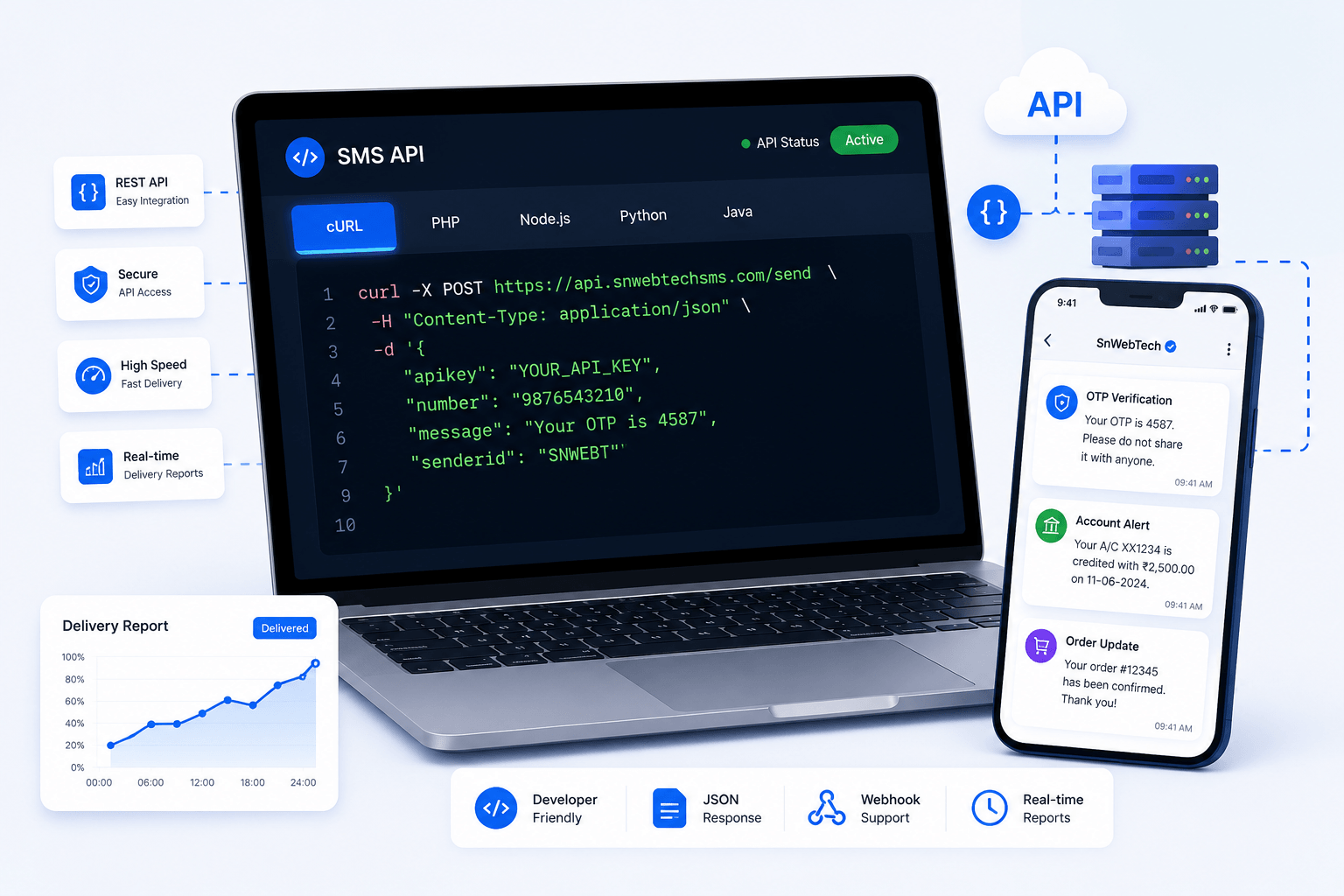
SnWebTech SMS Gateway supports dashboard-based campaigns and API-driven messaging. The correct approach depends on frequency and operational importance. A one-off segmented announcement may suit the web panel; an order, booking or verification event normally benefits from server-side automation and delivery-status handling.
The following workflows are intentionally different because each has its own audience, trigger, content risk and success measure. They should not be collapsed into one generic blast.
Segment by institution, programme and authorised student group.
Implementation note: confirm the authoritative business event, approved template and recipient source before enabling this message at scale.
Keep appointment content minimal and clinical information behind secure access.
Implementation note: confirm the authoritative business event, approved template and recipient source before enabling this message at scale.
Send verified maintenance, booking or service notices to the affected community group.
Implementation note: confirm the authoritative business event, approved template and recipient source before enabling this message at scale.
Protect account access with short-lived, server-verified codes and rate controls.
Implementation note: confirm the authoritative business event, approved template and recipient source before enabling this message at scale.
Write down what the recipient should understand or do after reading the SMS. If the answer includes both a service update and a marketing offer, split the communication. One message should have one clear purpose. This makes route selection, template approval, internal ownership and performance review easier.
Clean the mobile-number format, remove known invalid records and segment the list by the actual relationship. Prepare the principal entity, approved header and content template applicable to the workflow. Fixed punctuation, brand text, variables and links should follow the approved content; last-minute wording changes can create a mismatch.
Send to a controlled set of known devices. Test English and regional-language rendering where relevant, long variable values, link behaviour, opt-out or response routes, and the experience when an event is corrected. A message can be technically delivered and still be confusing, late or sent to the wrong group.
An accepted API response does not necessarily mean final delivery. Store the provider message identifier and reconcile status updates with the original event. If a request times out, treat it as uncertain; do not immediately submit again unless the integration has an idempotency design that prevents duplicate messages.
These examples explain structure, not pre-approved templates. Replace them only through the correct DLT and operational process. Do not copy them directly into production without review.
Do not combine institutional, patient and residential lists even if one vendor manages the communication. Use role-based access, separate credentials where appropriate and defined retention for recipient data.
Limit access to recipient lists and gateway credentials. Export only the data needed for the task, use role-based access where the connected system supports it and remove temporary files through the organisation’s approved process. Staff should be able to explain why a person was included in a campaign and which team owns corrections.
For OTP and other authentication messages, generate and verify codes on the server, use short validity, enforce attempt and resend limits, invalidate a code after success and never record the live code in application logs. SMS delivery is only one part of a secure verification design.
Begin with request acceptance, delivery states and recurring failure categories, but do not stop there. Match messaging outcomes to the business workflow: completed appointment confirmations, fewer avoidable support calls, verified accounts or corrected contact records. Promotional activity should be evaluated against a properly attributed business outcome inside the CRM, commerce or booking system.
Avoid quoting an unverified delivery percentage as a permanent guarantee. Network conditions, recipient data, device availability, template alignment and route configuration affect results. A credible provider conversation should focus on the setup, reports and troubleshooting process applicable to your use case.
Understand Delivery ReportsShare the message purpose, expected volume, recipient source and integration environment. The team can then discuss a suitable route and current commercial information without inventing claims.
Contact SnWebTechExplore Bulk SMS Service